Request to Book
ADULTS
THB 2,200
CHILDREN (4-11 YEARS)
THB 1,100
INFANTS (0-3 YEARS) - FREE
FREE
Hotel Pickup
Please contact us via WhatsApp before booking.
No obligation, free of charge — we usually reply within a few hours.
Feed, Bathe & Nature Experience
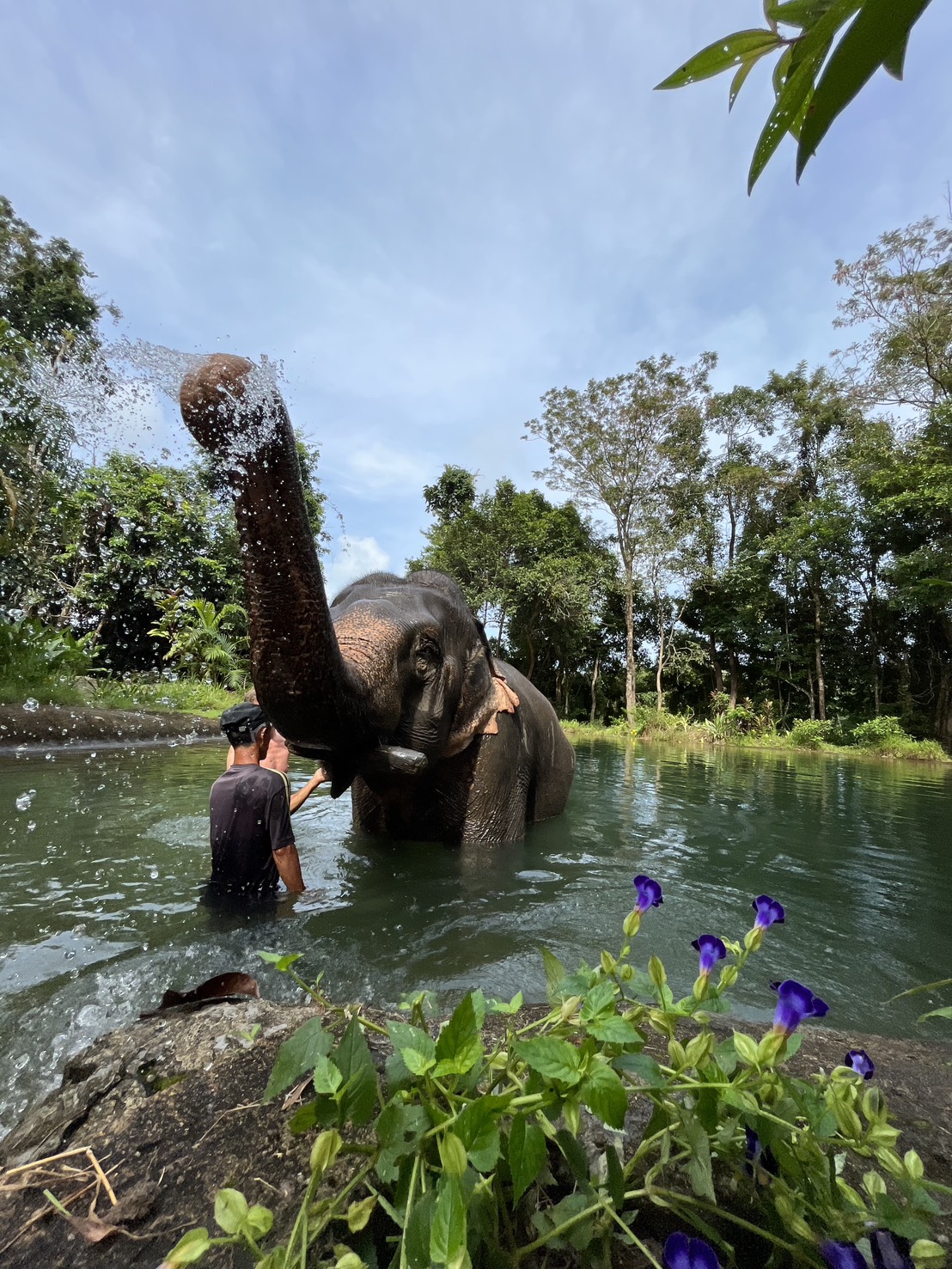
- Feed & bathe the elephants – a truly unforgettable experience.
- Bamboo rafting in a calm and natural setting.
- Visit a local temple – experience Thai culture up close.
- Spot sea turtles in their natural habitat.
- Half-day program (4–5 hours) from Khao Lak – small groups & relaxed atmosphere.
- An authentic experience – far from mass tourism.
Highlights & Activities
- Big Elephants: Bathing & Feeding.
- Bamboo Rafting: Relaxing river trip.
- Sea Turtles: Conservation center visit.
- Temple: Local temple visit.
- Transfer: Private taxi service.
- Duration: 4–5 Hours.
Included in the price
- Hotel Transfer (round trip)
- Water & Cola
- Elephant Food
- Rafting Fee
- Insurance
- AI System (English)
What to bring
- Camera / Phone
- Swimwear & Towel
- Sunscreen
Important Notes
- This is a Private Taxi Tour without a tour guide.
- The driver handles the transfer and assists you.
- Great for couples and families.
Our Highlights
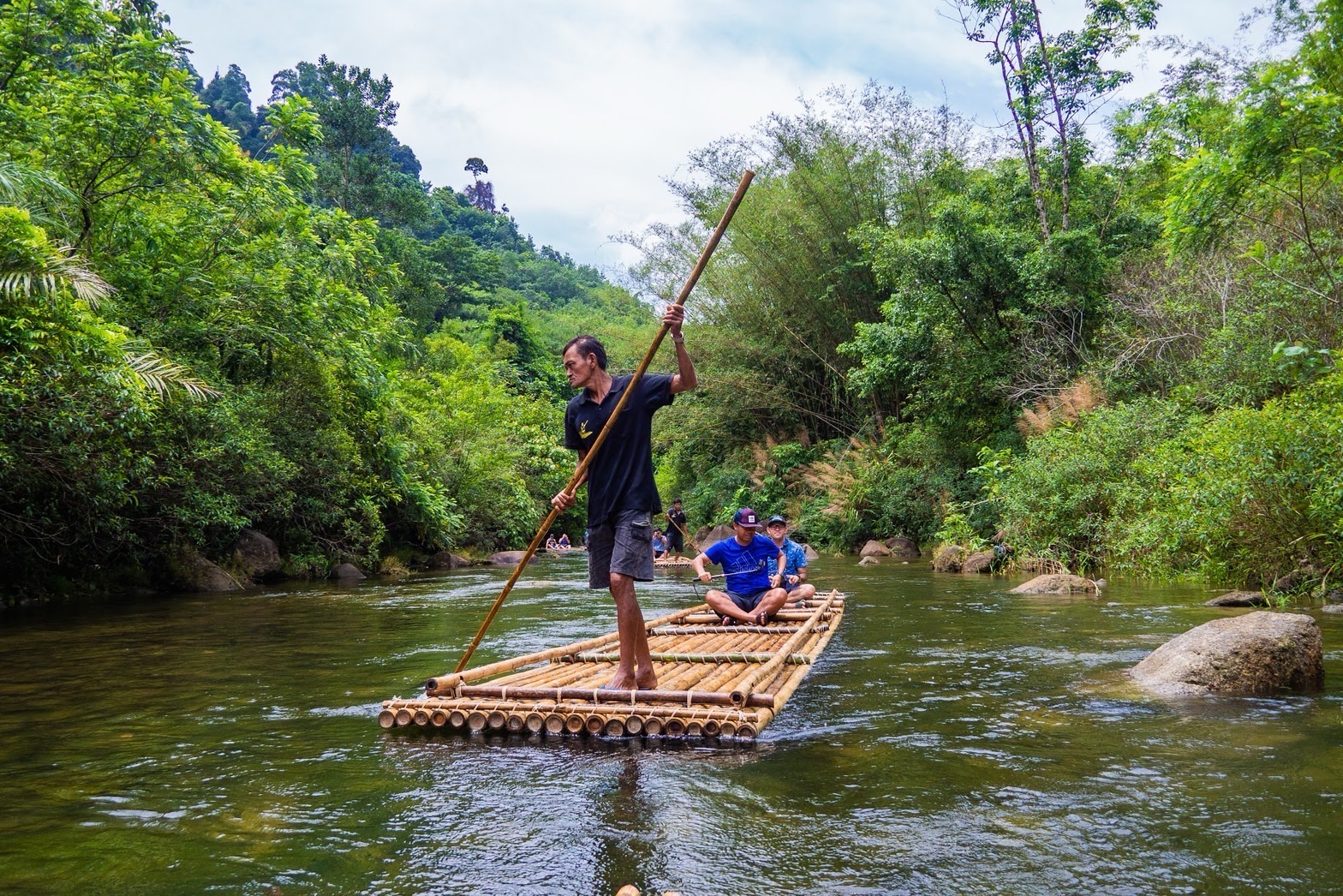
Relaxing Bamboo Rafting in Khao Lak
Sit back on a traditional bamboo raft and let the river carry you through Khao Lak's green surroundings. Trees line the banks, and the clear water lets you enjoy the scenery as you glide gently downstream.
A local raftman steers the raft for you, so there is no need to paddle. The journey usually takes around 45 minutes to one hour depending on the water level, an easy, relaxing way to see another side of Khao Lak.
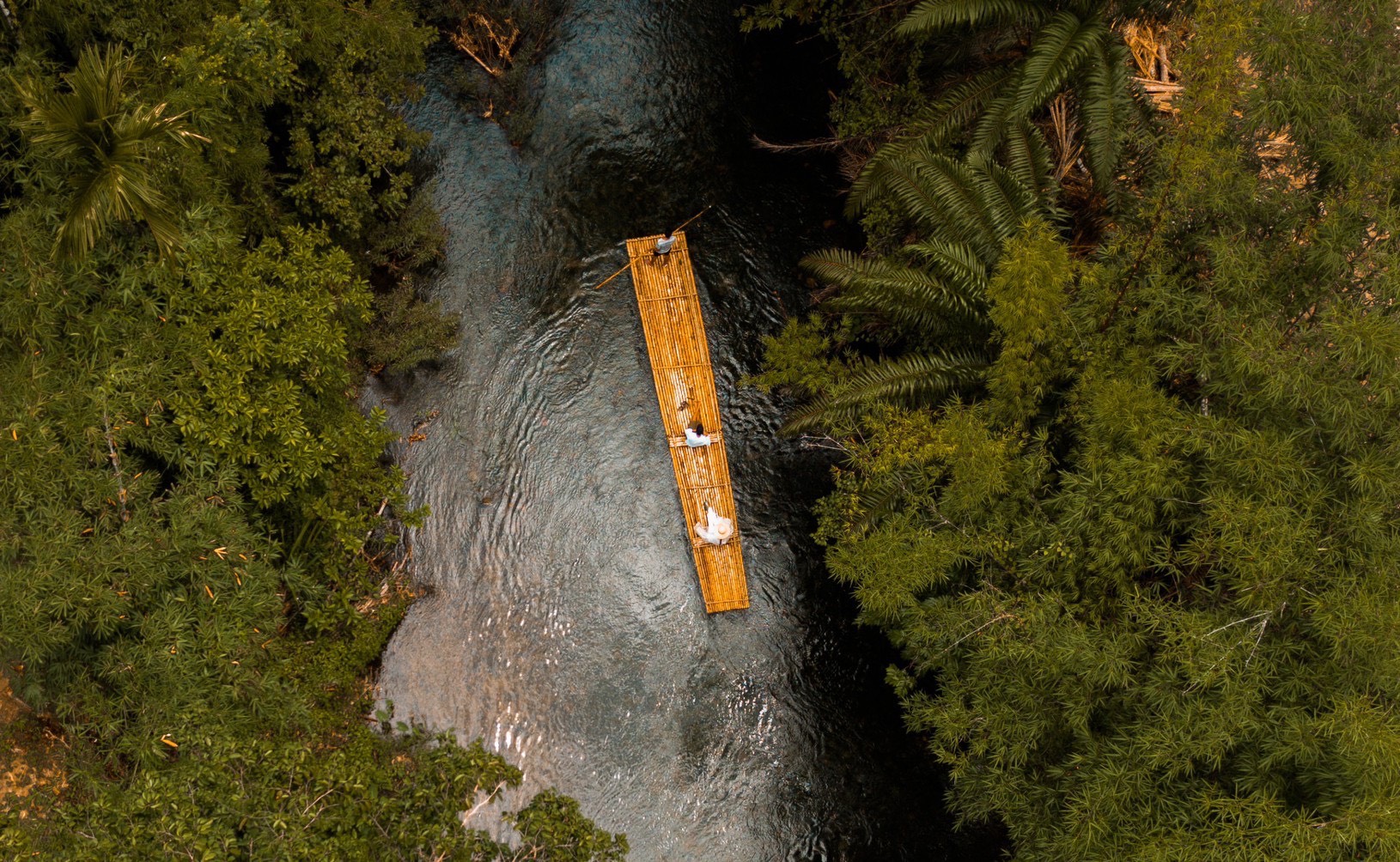
Bamboo Rafting, Seen from Above
From above, you can see how the river winds between the trees, with a bamboo raft moving quietly through the green landscape. There are no roads or buildings in this view—just water, forest and the gentle path ahead.
On the raft, the experience feels just as peaceful. Sit back while the raftman guides you along the river, look up at the trees around you and enjoy a little time surrounded by nature in Khao Lak.

Wat Khuk Khak
Wat Khuk Khak, officially known as Wat Khomniyakhet, is located in the Khuk Khak area of Takua Pa and was founded in 1909. The Buddhist temple has long been a place of worship and community life for local residents.
Discover the murals inside the ordination hall and learn about Luang Por Waeng, a former abbot who remains deeply respected to this day.
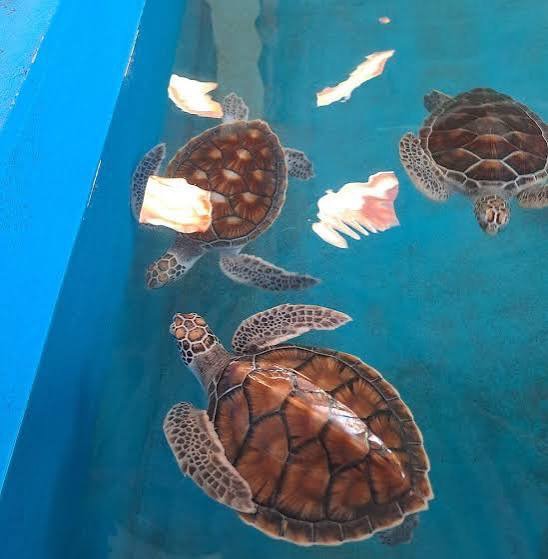
Sea Turtle Conservation
Discover a different side of Khao Lak with a visit to a sea turtle conservation centre, where you can see sea turtles up close.
Learn why protecting these animals and their coastal habitat matters, and enjoy a gentle stop that especially rewarding for families.
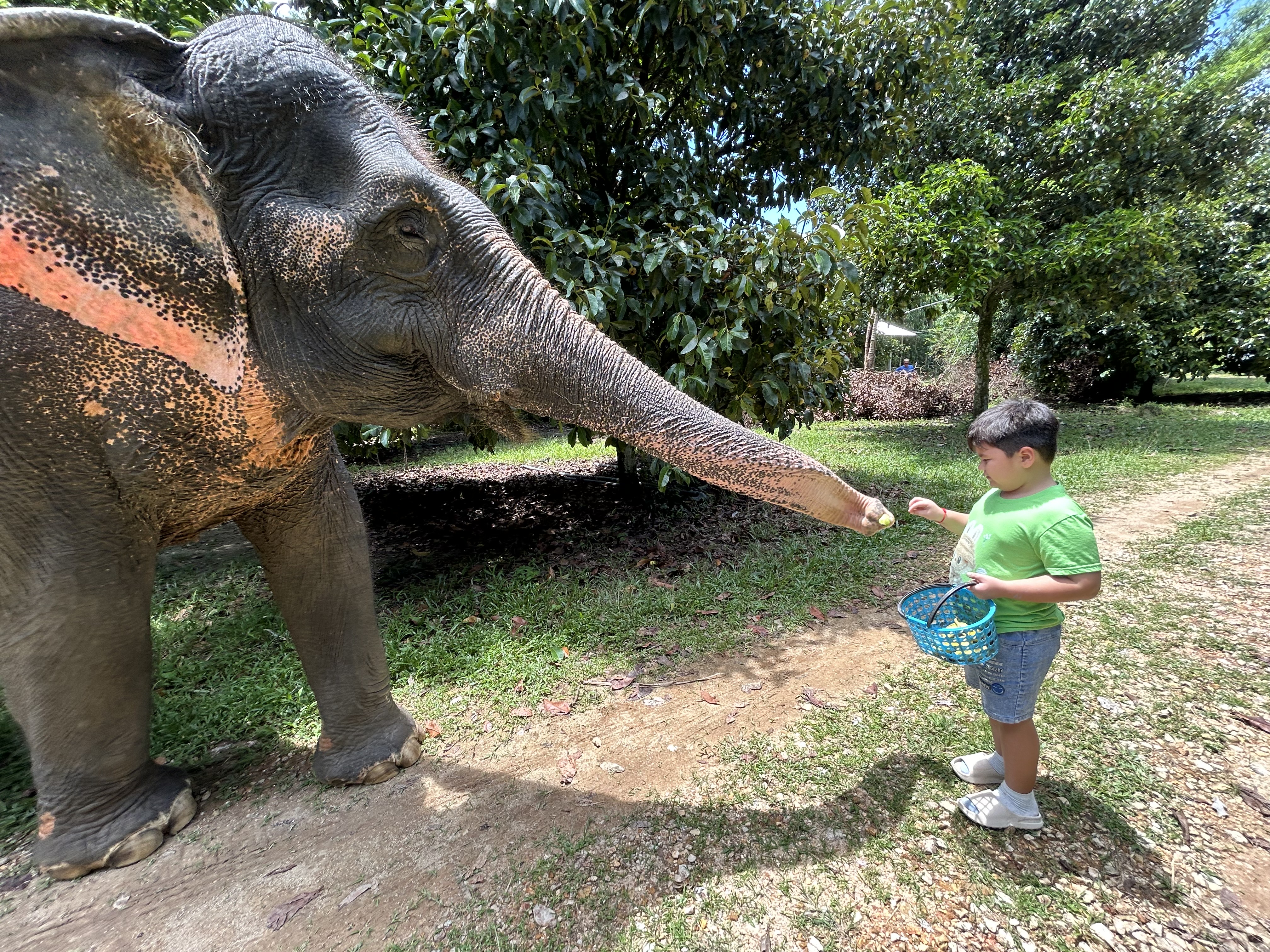
Feed Thong Dee
Along with bathing and gently brushing Thong Dee, guests can also feed her. Each guest receives one basket containing bananas or other fruit. There is no need to peel the bananas—Thong Dee can take them with the peel on.
Her mahout will show you how to offer the fruit and stay nearby during the activity. It is a lovely opportunity for adults and children to meet Thong Dee up close.
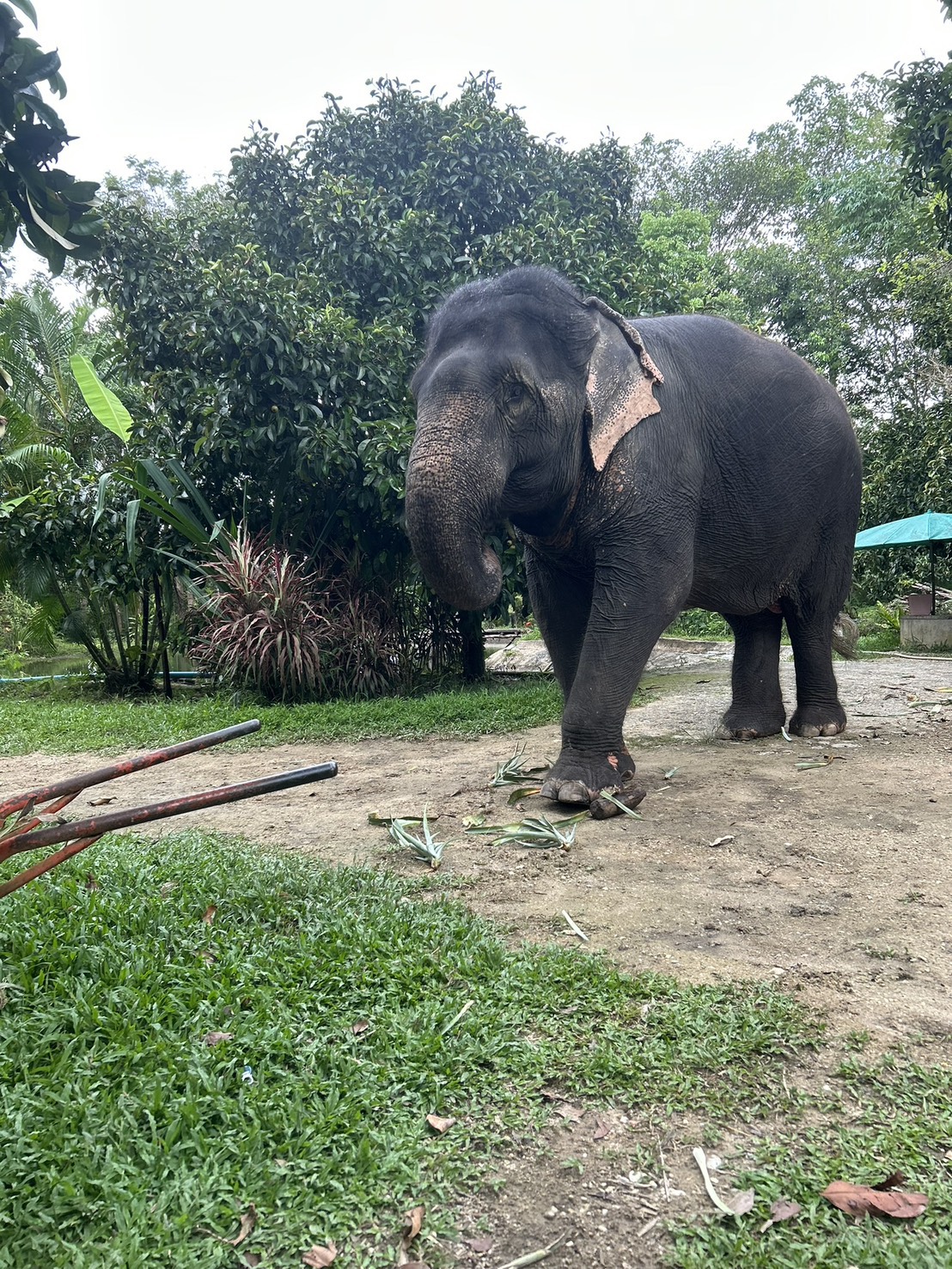
Caring for Thong Dee Every Day
Feeding Thong Dee during your visit is a lovely way to get to know her, but the food guests offer is only a small part of what she needs throughout the day. Caring for a large elephant takes daily planning, time, and a steady supply of food.
Her mahout gathers food from his own garden and also buys fruit and other suitable food from local markets. He takes Thong Dee to the garden as part of her routine, giving her time in a familiar outdoor space. Behind every visit is the ongoing work of making sure she has enough to eat each day.
Canoe Adventure
Paddle at your own pace across calm water and discover hidden coves that you could never reach on foot.
With a little luck you may spot monkeys, kingfishers or monitor lizards on the shore.
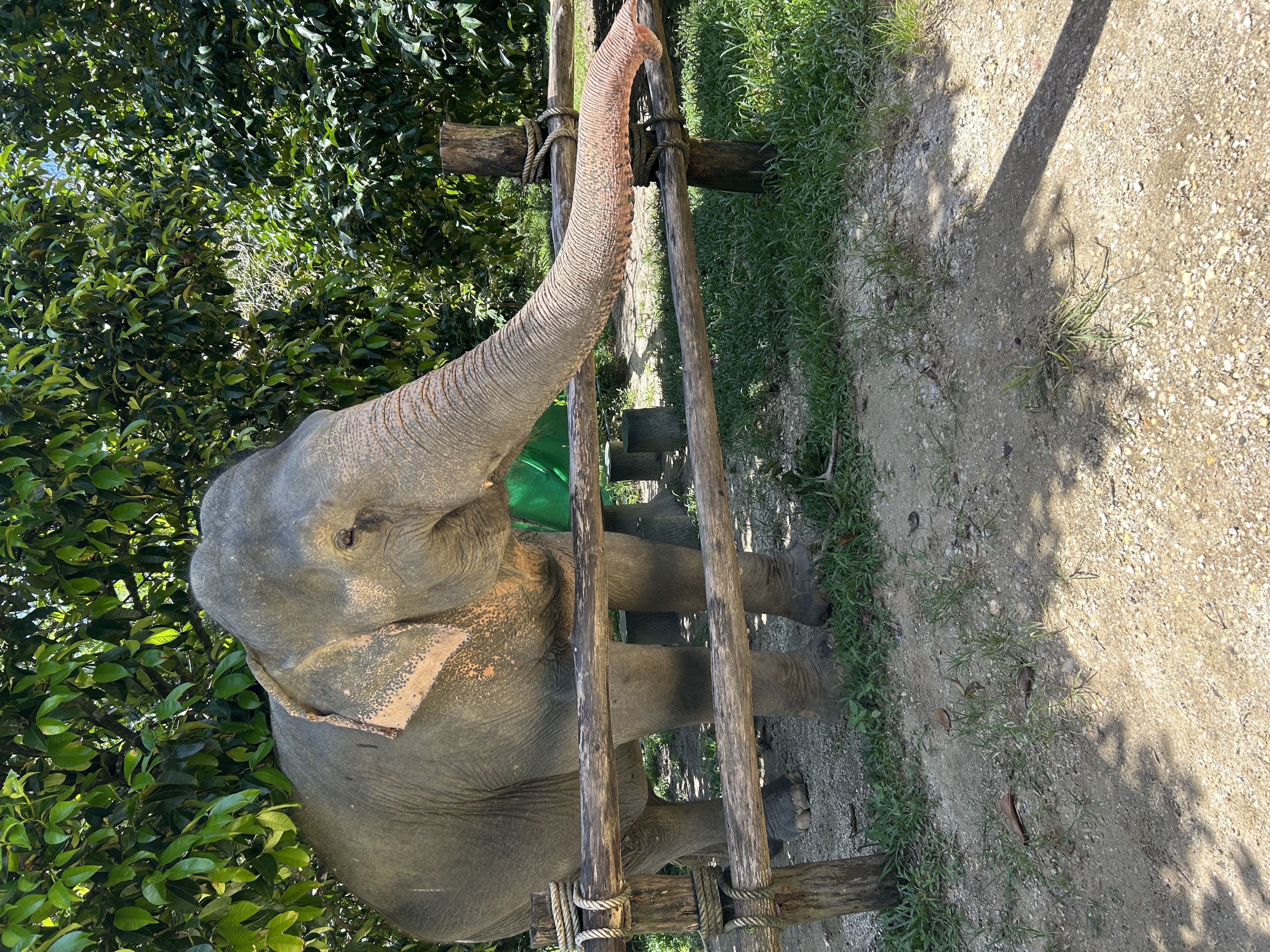
Asian and African Elephants
Thong Dee is an Asian elephant. One way to recognise Asian elephants is by their relatively small ears. African elephants generally have much larger ears, while the African savanna elephant is usually larger overall than an Asian elephant.
Look closely at Thong Dee's trunk when she picks up a banana or holds her favourite log: an Asian elephant has one finger-like projection at the tip of its trunk to help grasp objects, while African elephants have two. Elephants use their trunk to gather food, touch objects and draw up water.
EXCLUSIVE SERVICE TO MAKE
"A BEST DAY OF YOUR LIFE"
Your Experience, Our Passion