Did You Know?
Monkey Species in the Region
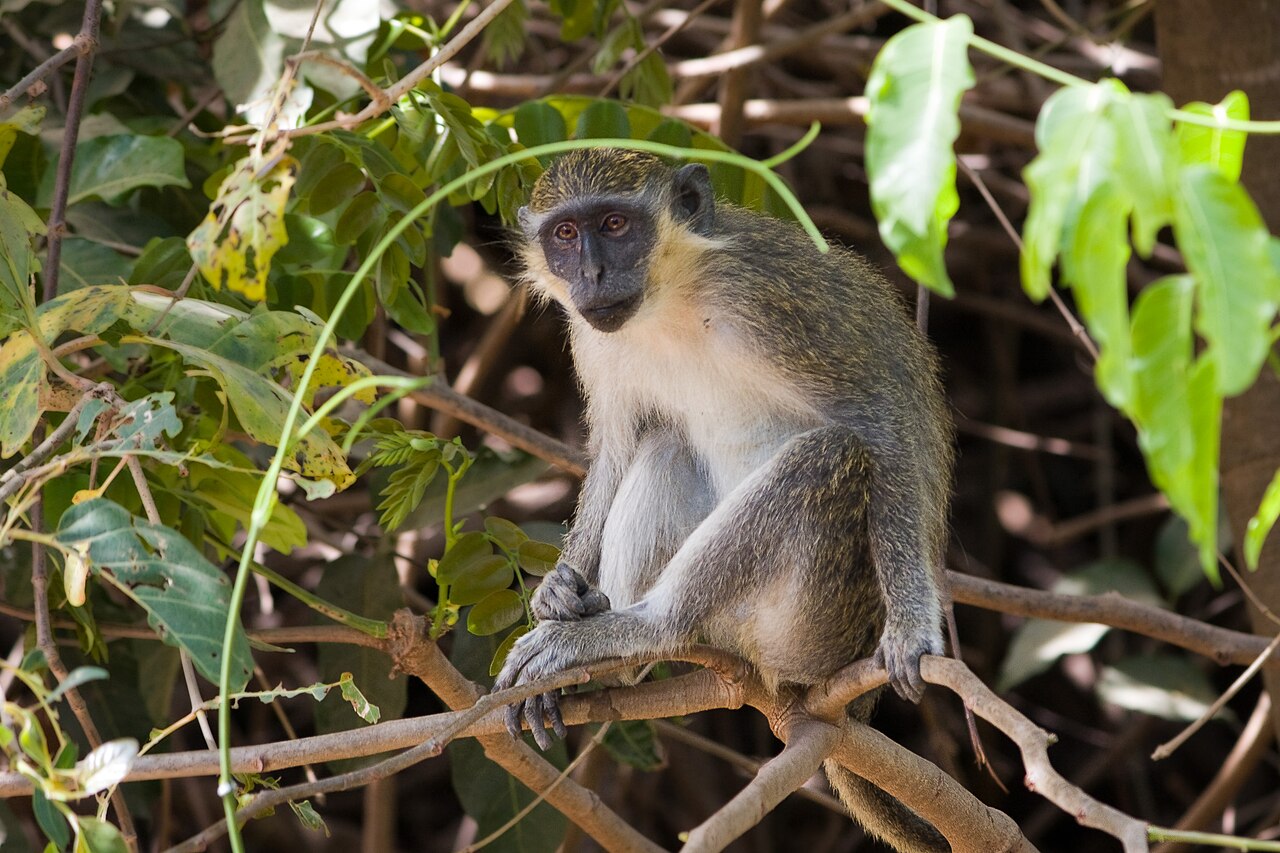
The Long-tailed Macaque is the monkey species most commonly seen in the Khao Lak and Phang Nga region. The Pig-tailed Macaque also lives in the forests of southern Thailand, although it is encountered less frequently.
Both species live in social groups with a clear hierarchy. They work together to care for their young, warn each other of danger, and search for food.
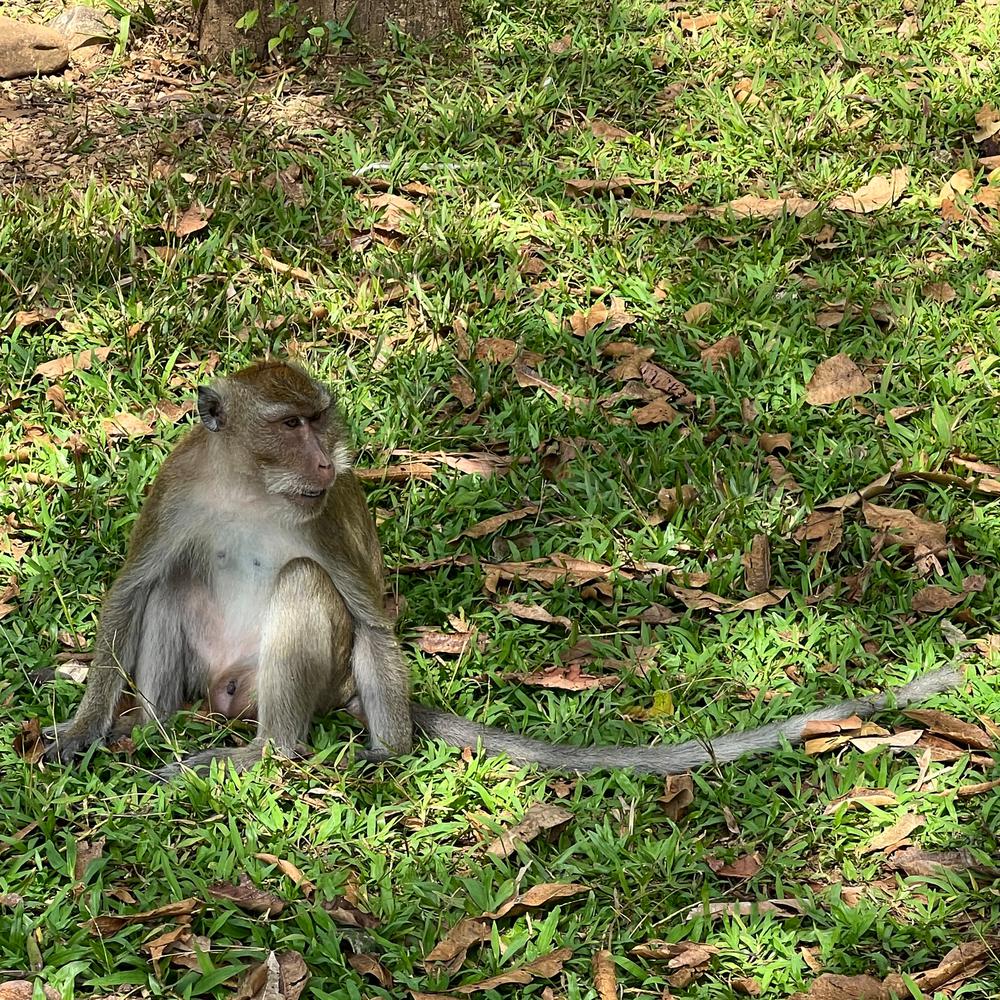
Long-tailed Macaque
Long-tailed macaques are intelligent, agile, curious, and highly adaptable. They are often found near tourist areas and may investigate visitors' belongings out of curiosity.
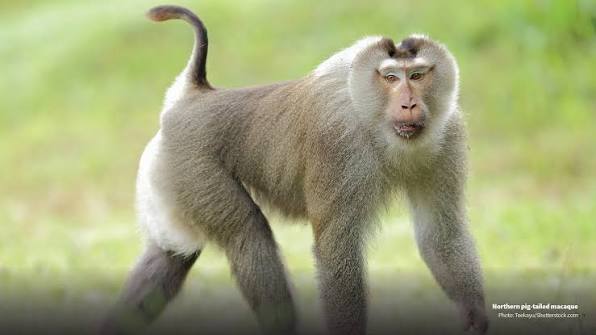
Pig-tailed Macaque
Pig-tailed macaques also inhabit the forests of southern Thailand. They are more robust in appearance, usually live in small family groups, and are generally more cautious around people than long-tailed macaques.
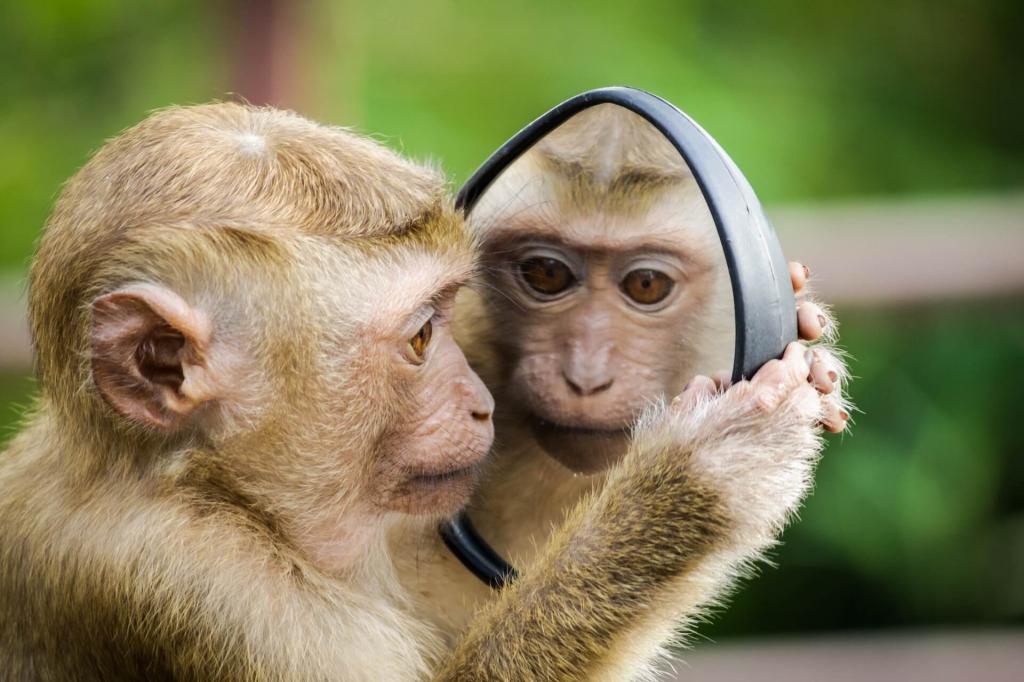
Where Can You See Monkeys?
Khao Lak
• Khao Lak–Lam Ru National Park
• Occasionally along roads bordering the forest
Phang Nga
• Wat Suwan Khuha (Monkey Cave Temple)
• Sometimes during a boat tour in Phang Nga Bay
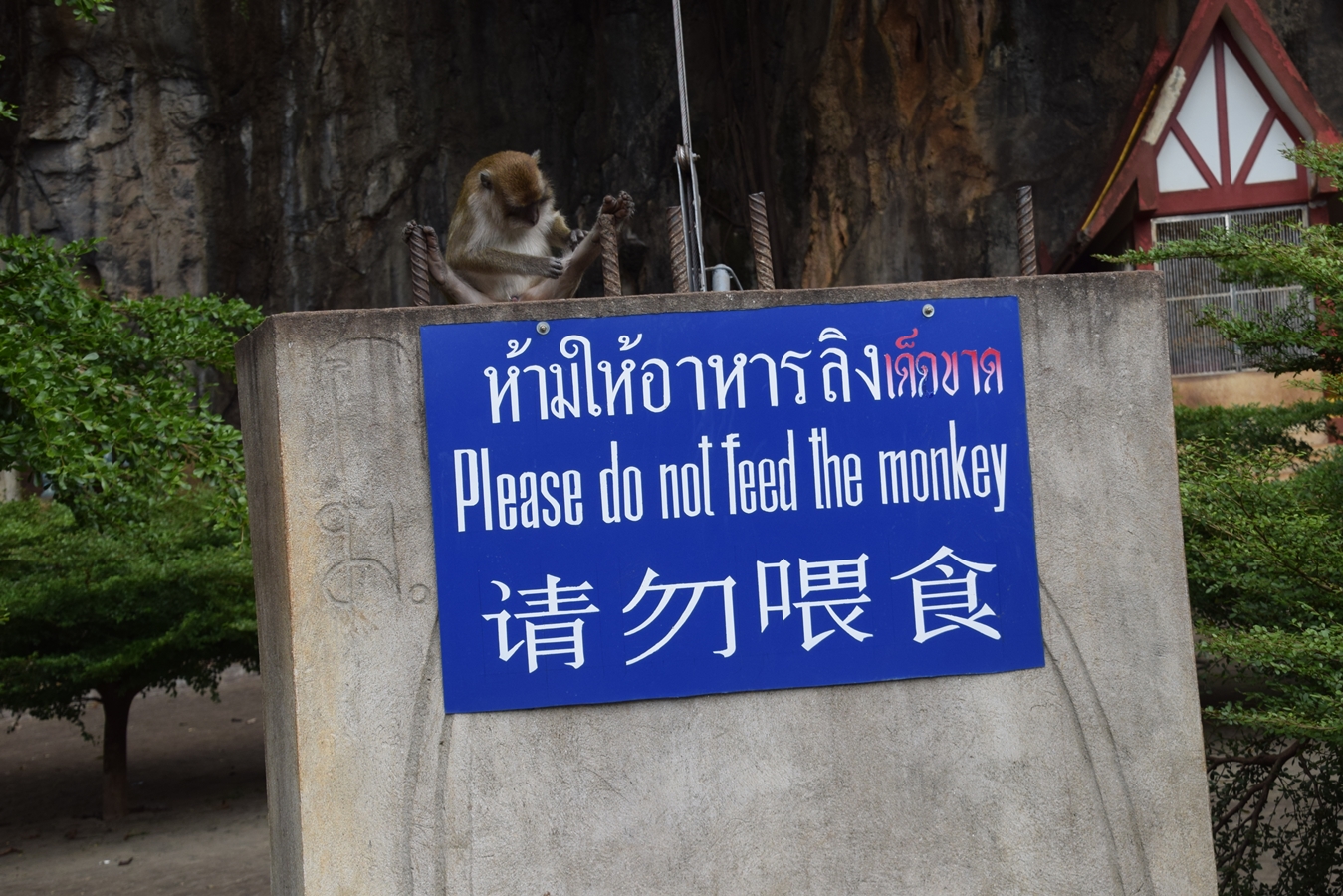
A Little Thai Tip & Rules of Conduct
The Thai word for monkey is "Ling" (ลิง). 🐵
Please note:
• Do not feed the monkeys.
• Keep a safe distance.
• Hold on to your sunglasses, mobile phone, bags, and other belongings.
• Use your camera's zoom instead of getting too close for photos.
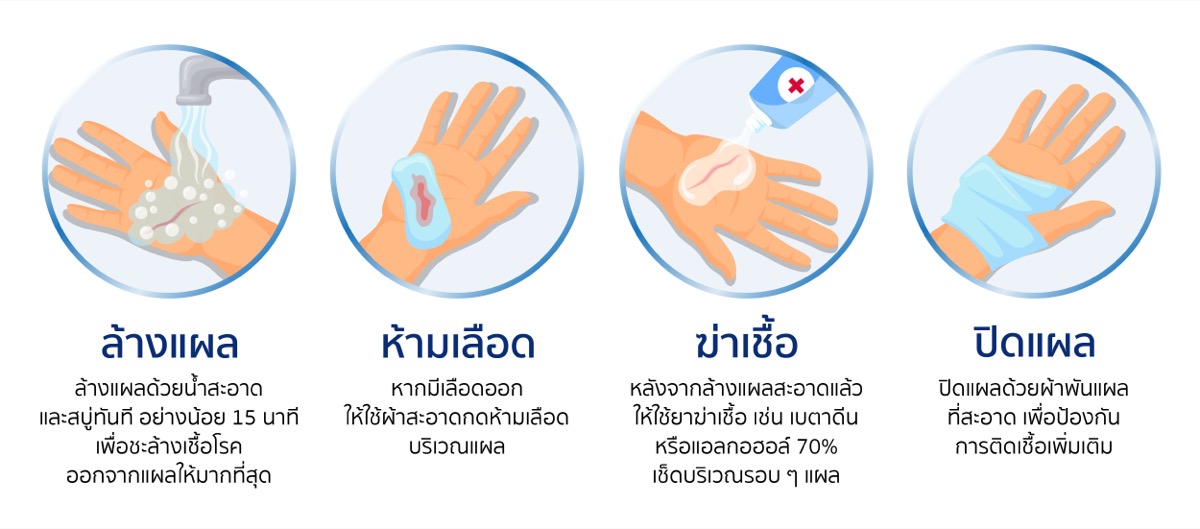
If You Are Bitten or Scratched
Even if the wound appears minor, wash it thoroughly with soap and water for at least 15 minutes.
Then seek medical attention immediately so a doctor can assess whether a rabies vaccination or any additional treatment is necessary.